
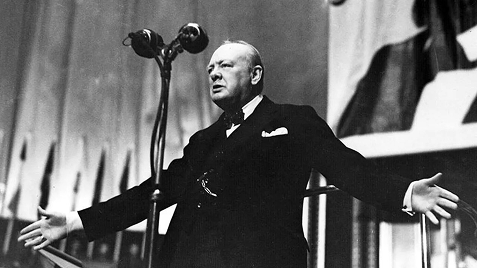
“. . . the Battle of France is over. I expect that the Battle of Britian is about to begin. . . . The whole fury and might of the enemy must very soon be turned on us.
Let us therefore brace ourselves to our duties, and so bear ourselves that if the British Empire and its Commonwealth last for a thousand years, men will still say, 'This was their finest hour.' “
Winston Churchill, in the House of Commons, June 18, 1940
The Phases
Phase 1 - Channel & Convoys
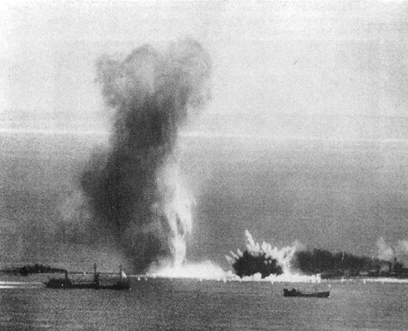
Germany aimed for air superiority to enable Operation Sea Lion, targeting shipping convoys and conducting fighter sweeps over southern England. Aircraft losses rose, but increased production kept squadrons operational while pilot shortages worsened.
Phase 2 - Radar & Airfields
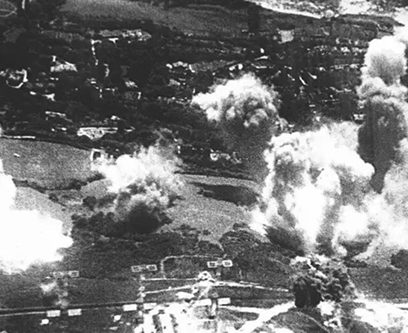
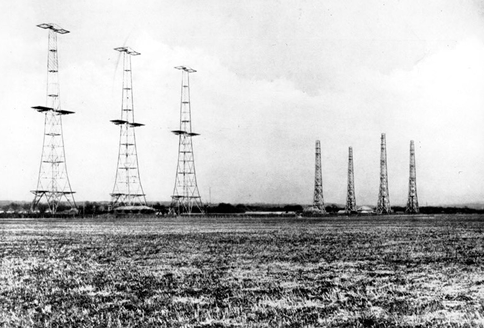
From mid-August, attacks focused on radar stations and airfields in southern England, bringing RAF Fighter Command closest to defeat.
Phase 3 — London
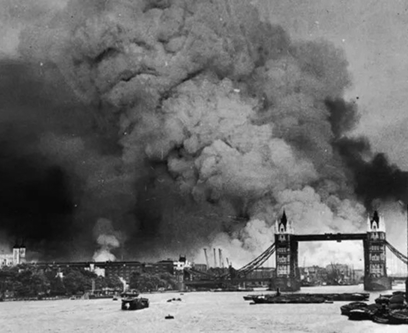
From 7 September, the German assault shifted to London, with major daylight raids and intensified night bombing of cities and ports, including Liverpool.
Phase 4 — Night Bombing
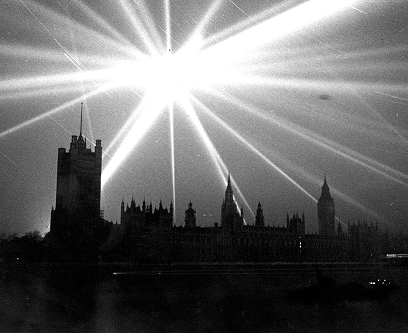
After Operation Sea Lion was cancelled, the Luftwaffe concentrated on night bombing, while daylight operations were limited to fighter sweeps and fighter-bomber raids.
Selected Dates
Date Explore: 10th July - 31st October
10
July
THE BATTLE BEGINS
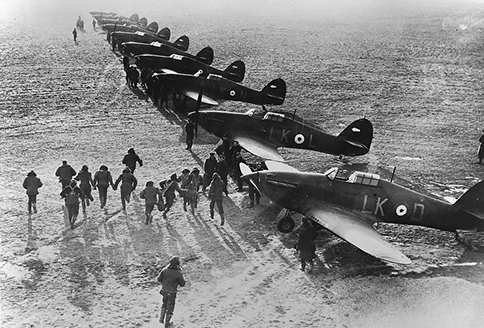
The Battle of Britain effectively began as the Luftwaffe launched its first major offensive, focusing on vital Channel shipping convoys. A large-scale dogfight involving more than 100 aircraft erupted over Dover, signalling the start of sustained aerial conflict over Britain.
12
August
RADAR UNDER ATTACK
The Luftwaffe initiated focused attacks on Britain's coastal radar installations, aiming to blind RAF early warning systems. Despite the scale of the assault, very few radar stations were seriously damaged, allowing Fighter Command to retain effective operational control.
13
August
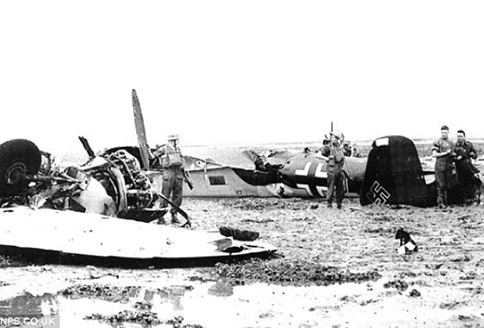
ALDER TAG (EAGLE DAY)
Known as Eagle Day, this marked the start of large-scale German attacks against RAF Fighter Command airfields. Intended as a decisive blow, the operation ended unfavourably for Germany, with 39 aircraft and 66 airmen lost, compared to Britain's 15 aircraft and 4 airmen.
15
August
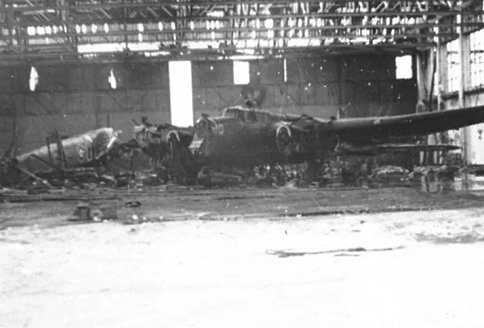
THE LUFTWAFFE'S GREATEST ASSAULT
The most ambitious attack of the campaign saw all three German air fleets Luftflotten 2, 3, and 5 - committed simultaneously. Nearly 1,800 sorties, including over 500 bombers, targeted RAF airfields, aircraft factories, and infrastructure across Britain. Despite heavy damage, Fighter Command remained operational.
18
August
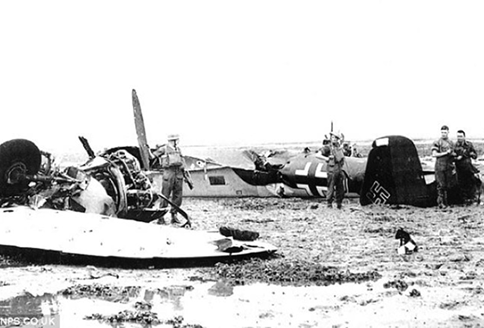
THE HARDEST DAY
The intensity of combat reached its peak as Göring's airfield offensive climaxed. Up to 300 aircraft clashed over a 25-mile area near the Isle of Wight, with the Luftwaffe flying over 850 sorties. Despite the scale of the assault, no RAF sector station was destroyed. By nightfall, 67 German aircraft had been shot down and 97 airmen killed or captured, while British losses numbered 33 aircraft and 10 pilots.
7
September
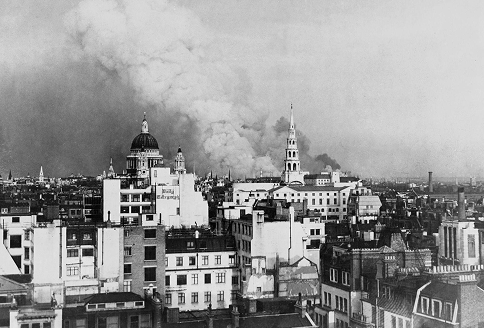
THE LONDON BLITZ BEGINS
German strategy shifted decisively toward London, with nearly 1,000 aircraft launching the first major raid on the capital's East End and docklands. Over 400 civilians were killed, but the shift reduced pressure on RAF airfields, allowing squadrons vital time to recover.
15
September
THE GREATEST DAY
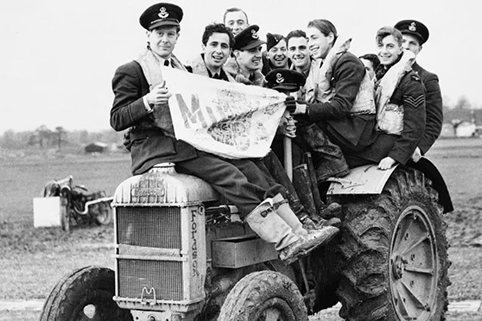
A decisive turning point in the Battle of Britain, when RAF Fighter Command repelled two of the largest coordinated Luftwaffe attacks of the campaign, inflicting unsustainable losses and disproving Hitler's belief that the RAF was near collapse. As a result, Operation Sea Lion was postponed indefinitely. At No. 11 Group headquarters, Uxbridge, Prime Minister Winston Churchill observed the battle as radar plots showed enemy formations approaching London and every available squadron was committed. When he asked Air Vice-Marshal Keith Park, “What other reserves have we?”, the reply was stark: “There are none.” The fate of the capital rested entirely on the aircraft already in the air—and Britain prevailed.
31
October
THE BATTLE ENDS
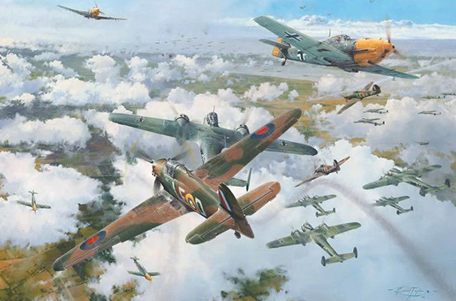
Later designated as the official end of the Battle of Britain, though unknown at the time to pilots and radar operators, the day passed quietly, symbolising Germany's failure to achieve air superiority—Hitler's precondition for invasion. The RAF emerged operationally intact after withstanding sustained assault by Luftflotten 2, 3, and 5. Victory was achieved not only by the 2,935 pilots who flew in combat, but by the entire defensive system—radar operators, ground crews, controllers, fitters, and commanders—whose coordination secured success in Britain's home skies.
Cumulative Losses
RAF Fighter Command
544 pilots killed
422 pilots wounded
1,547 aircraft destroyed
Canadian Contribution
112 Canadian pilots
5 pilots from London region
Luftwaffe
2,698 aircrew killed
1,887 aircraft lost
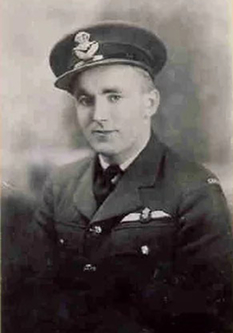
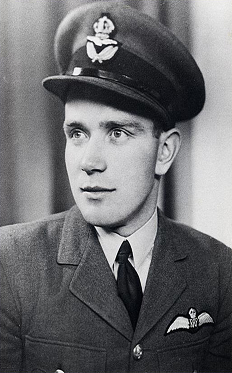
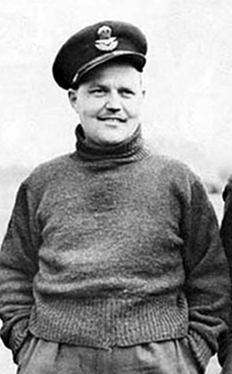
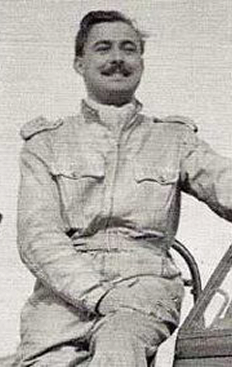
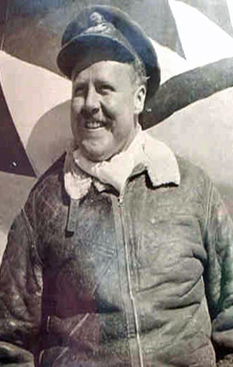
Pilots of Honour
Battle of Britain Aircraft
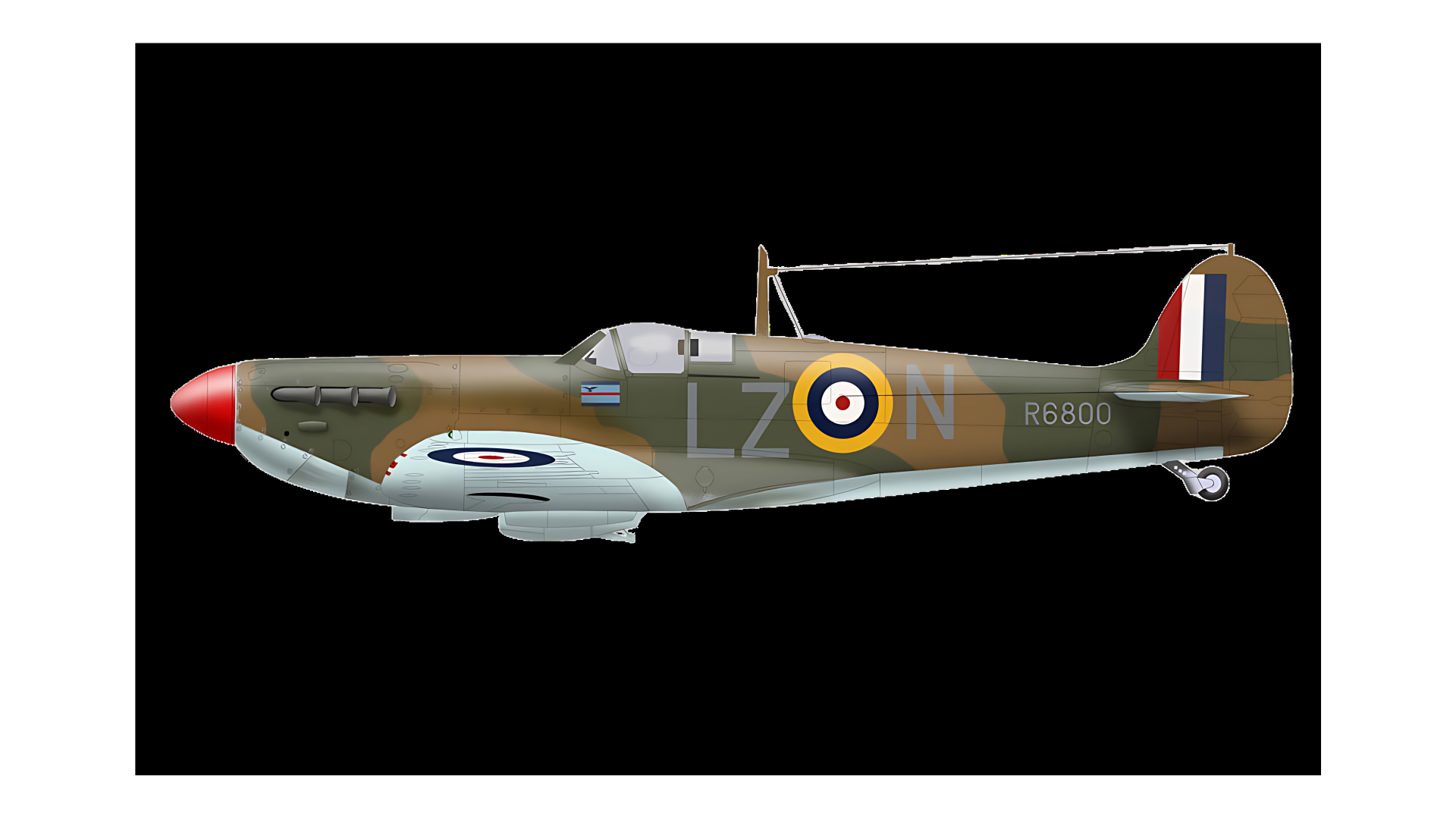
Supermarine Spitfire Mk I
British single-engine fighter aircraft renowned for its speed and agility during the Battle of Britain.
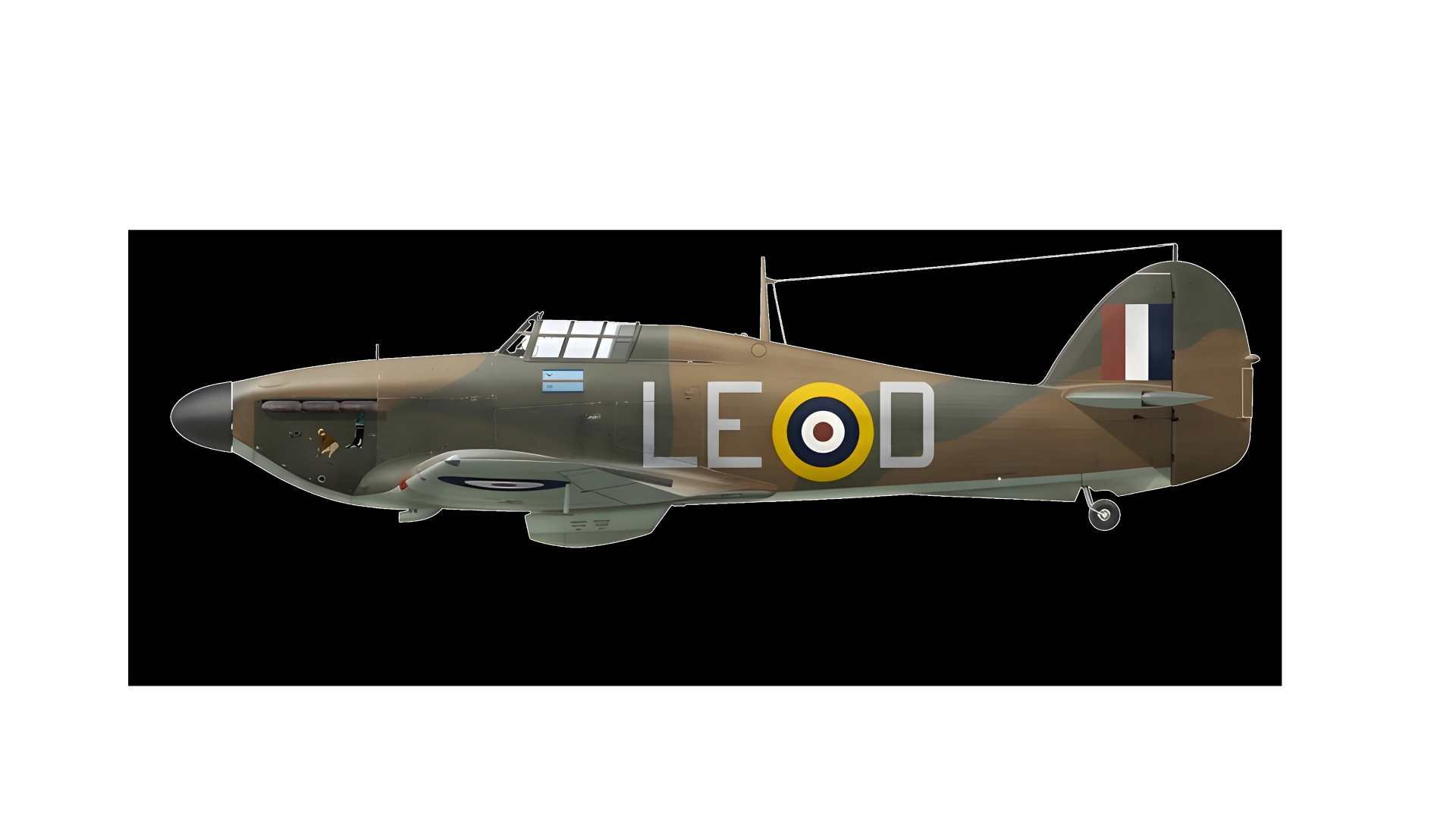
Hawker Hurricane Mk I
British fighter aircraft that formed the backbone of RAF Fighter Command during the Battle of Britain.
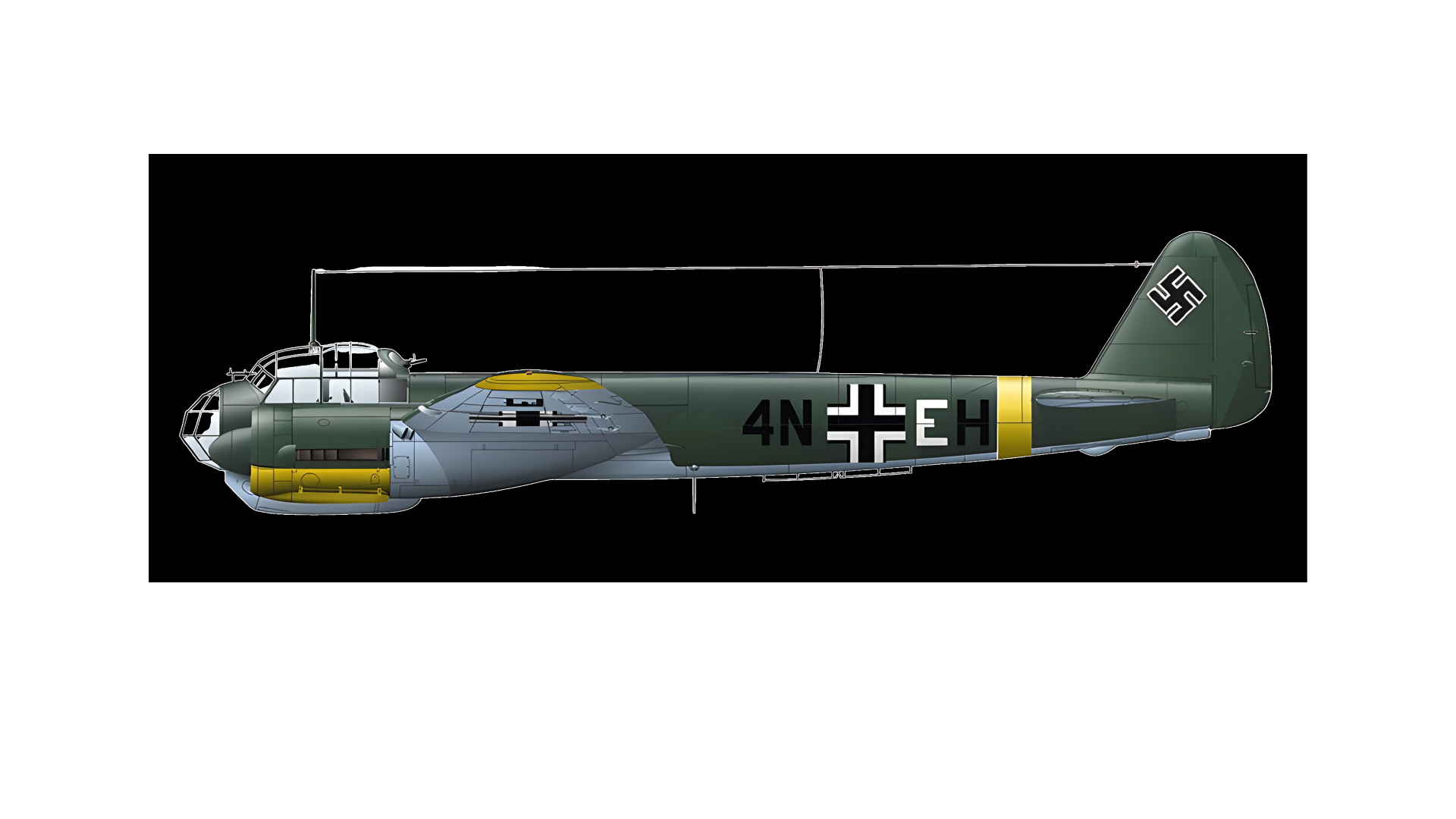
Junkers Ju 88
German twin-engine bomber known for its versatility and use in a wide range of combat roles..
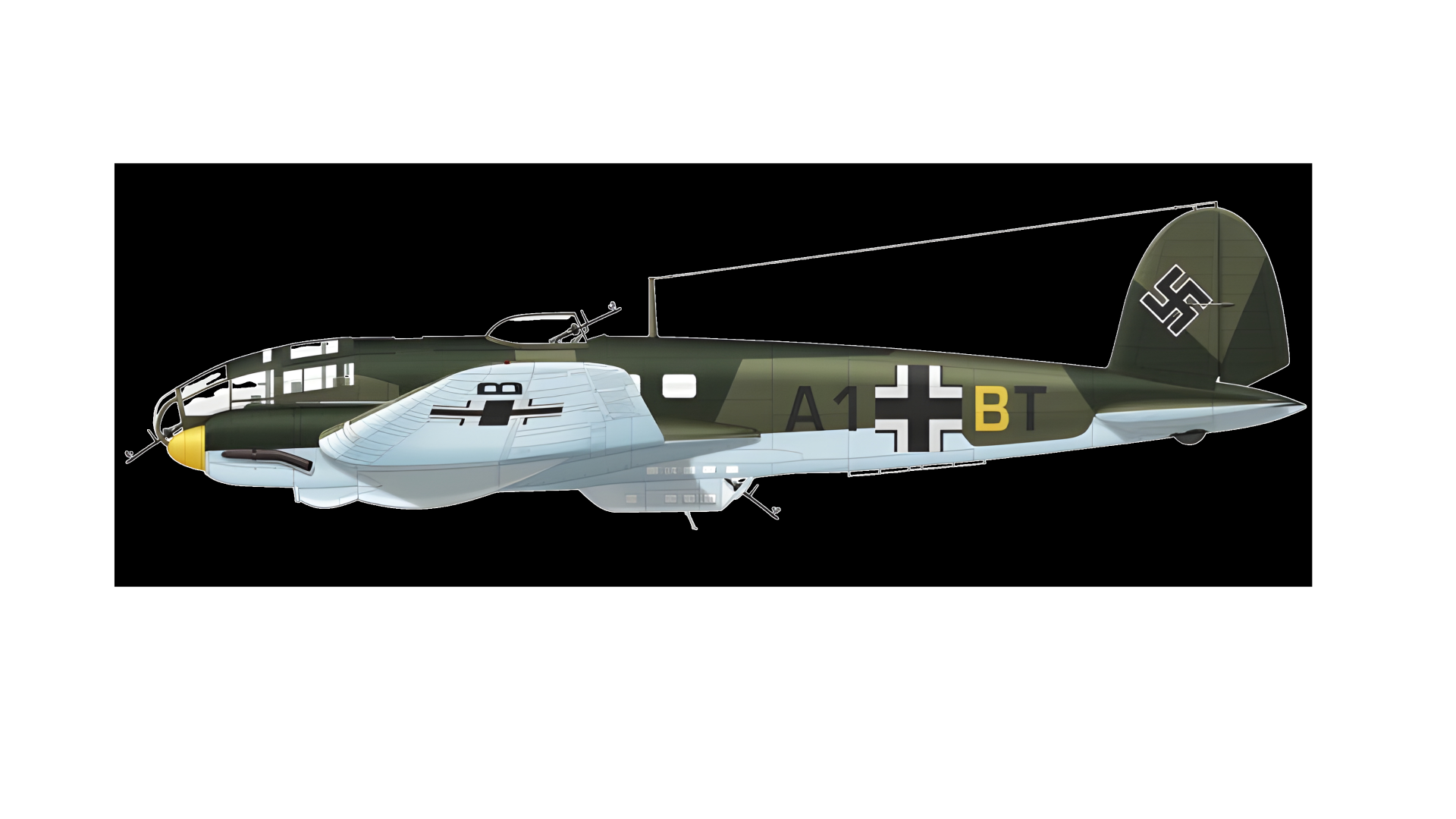
Heinkel He 111
German medium bomber widely used by the Luftwaffe during the early years of the Second World War.
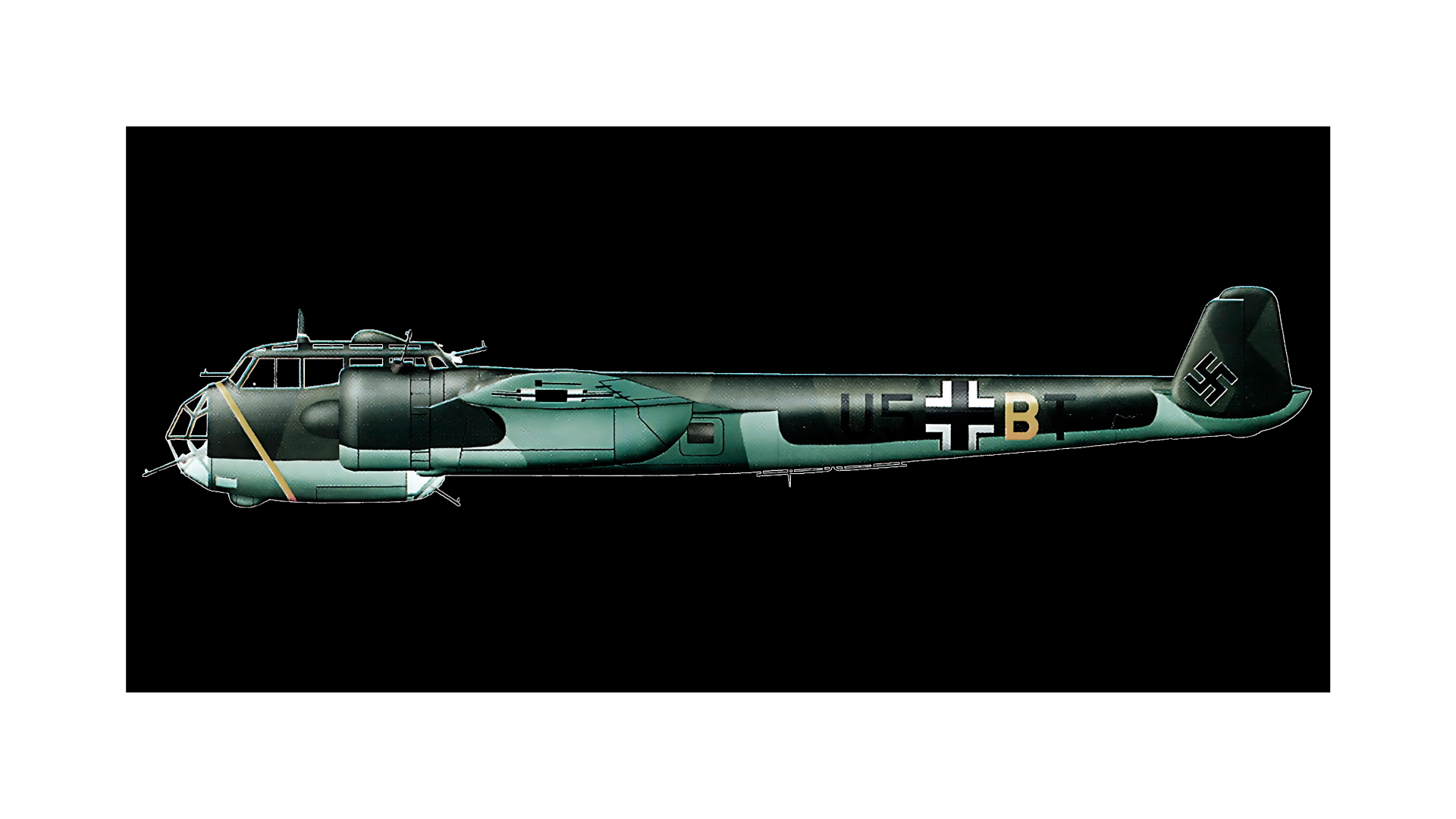
Dornier Do 17
German light bomber, nicknamed the “Flying Pencil” for its slender fuselage design.
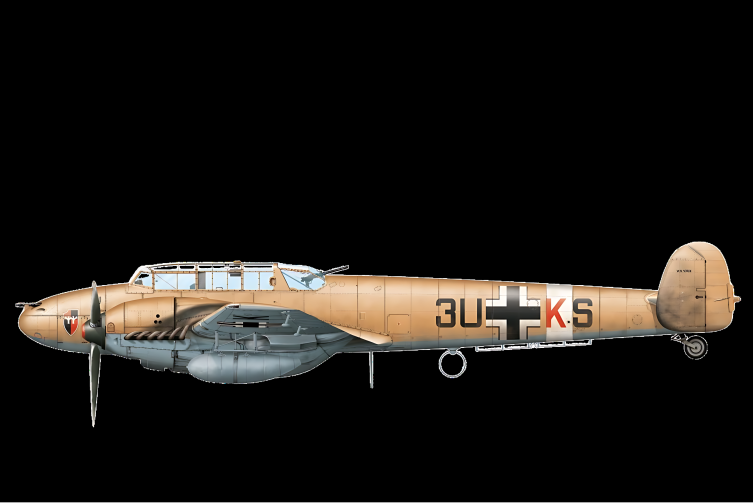
Messerschmitt Bf 110
German twin-engine heavy fighter designed for long-range escort and ground attack missions.
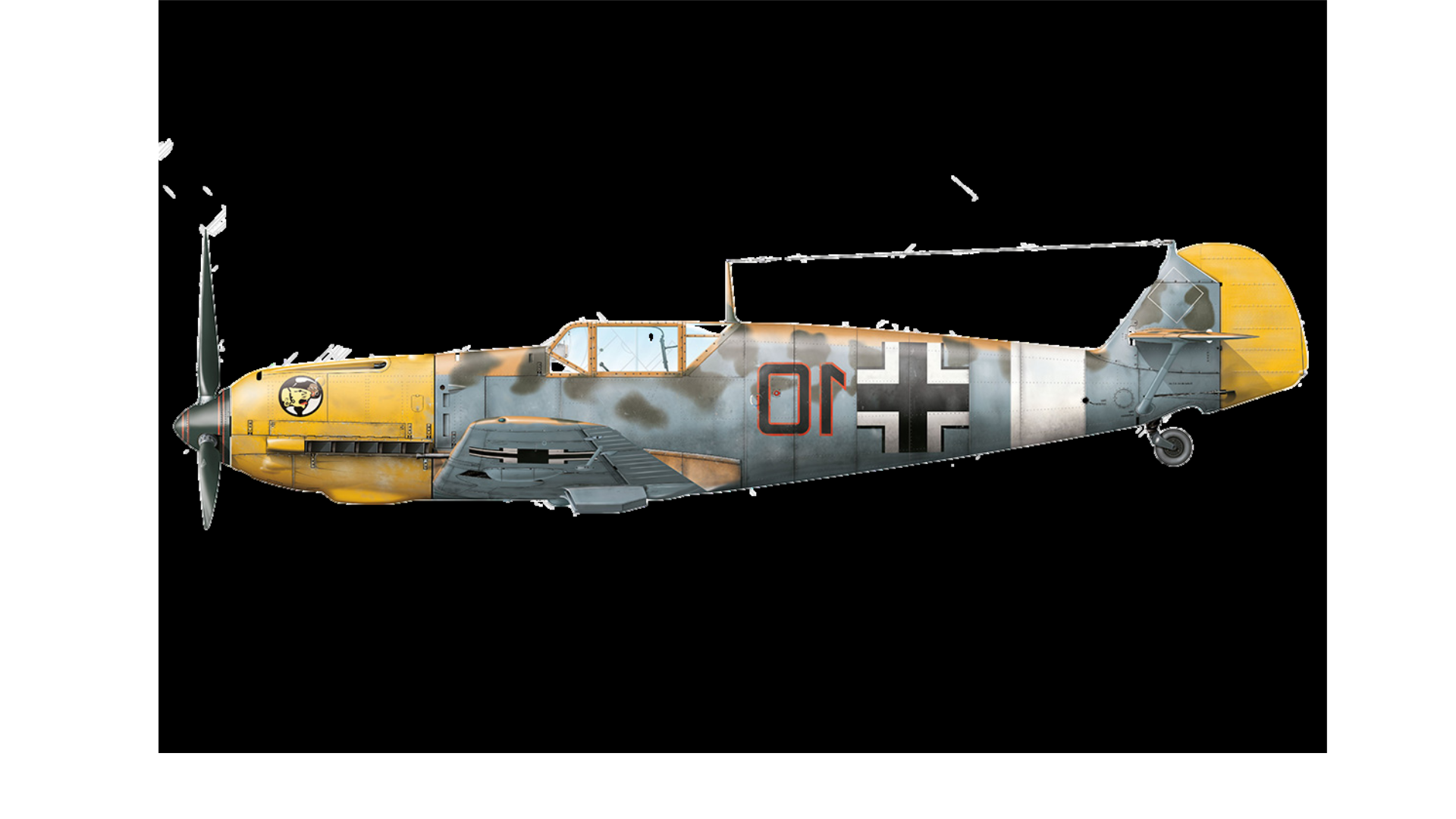
Messerschmitt Bf 109
German single-engine fighter and one of the Luftwaffe's primary aircraft during the Battle of Britain.
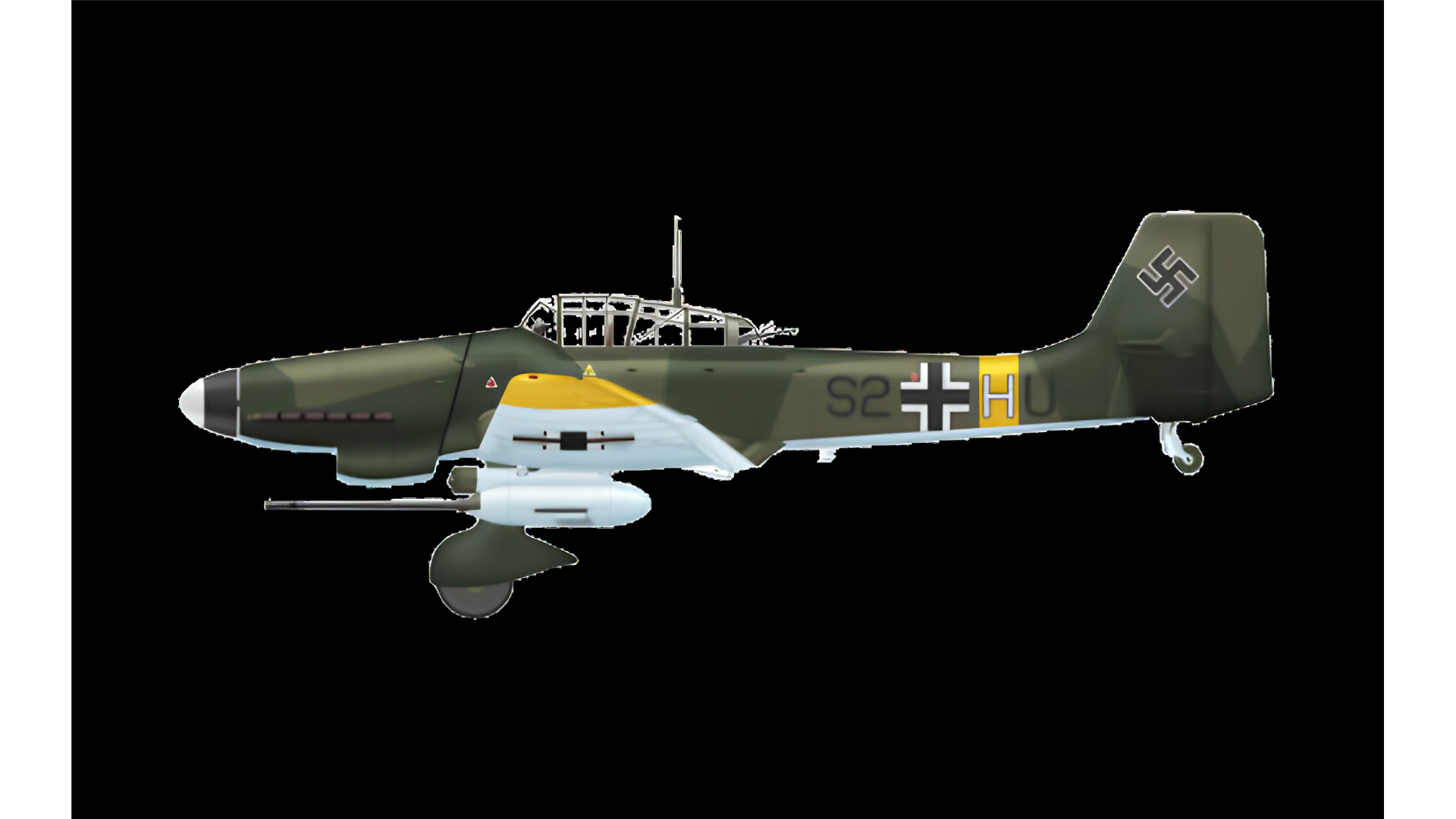
Junkers Ju 87
German dive bomber, known as the “Stuka,” used for precision bombing in early wartime campaigns.