Wartime Experience Hero image

London Aviation History

From the early experimental flights in Lambeth to the operational airfields of Crumlin, London's journey into the Air Age reflects a story of innovation, service, and ambition shaped by both local initiative and global events.
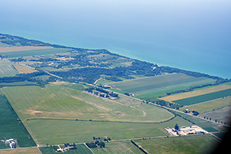
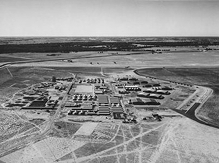
BCATP Training Bases

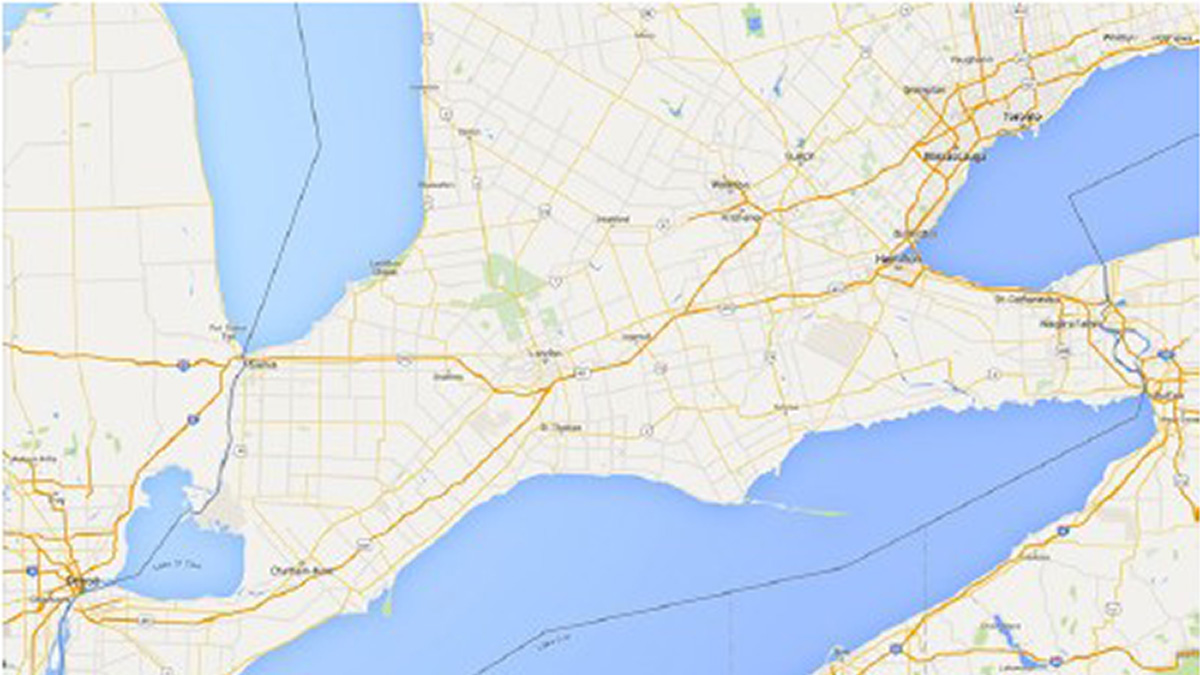
old london map

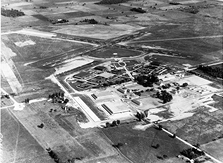
No 3. Elementary Flying Training School

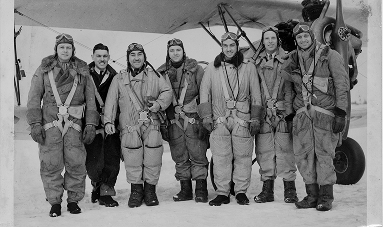
An Elementary Flying Training School (EFTS) gave a trainee 50 hours of basic flying instruction on a simple trainer like the De Havilland Tiger Moth, Fleet Finch, or Fairchild Cornell over 8 weeks.
Elementary schools were operated by civilian flying clubs under contract to the RCAF and most of the instructors were civilians.

alt text here alt text here alt text here alt text here alt text here alt text here alt text here alt text here alt text here alt text here alt text here alt text here

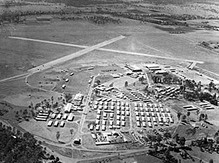
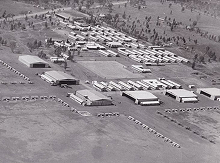
#4 Air Observers School

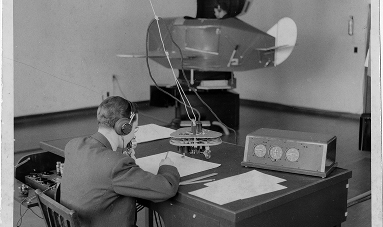
Air Observers were later called "navigators". For recruits in this stream, the training path after the Initial Training School was 8 weeks at an Air Observer School (AOS), 1 month at a Bombing & Gunnery School, and finally 1 month at a Navigation School.
The Air Observer schools were operated by civilians under contract to the RCAF. However, the instructors were RCAF. They trained in the Avro Anson.

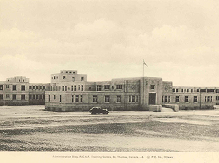
Central Aircraft Limited

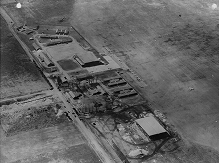
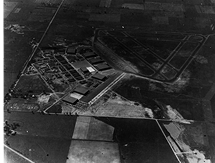
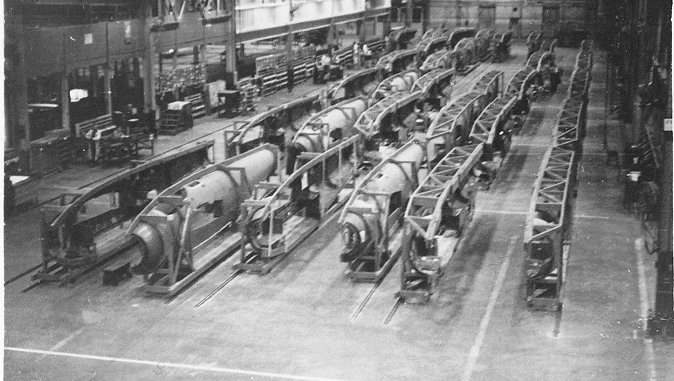
Central Aircraft Limited, a Crown-sponsored subsidiary of Fleet Aircraft Limited in Fort Erie, built 1941. Serviced the aircraft used at the BCATP bases nearby and later became an assembly point for Mosquito bombers.
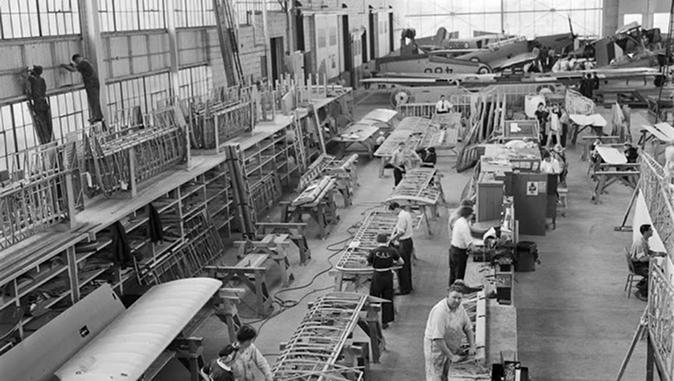
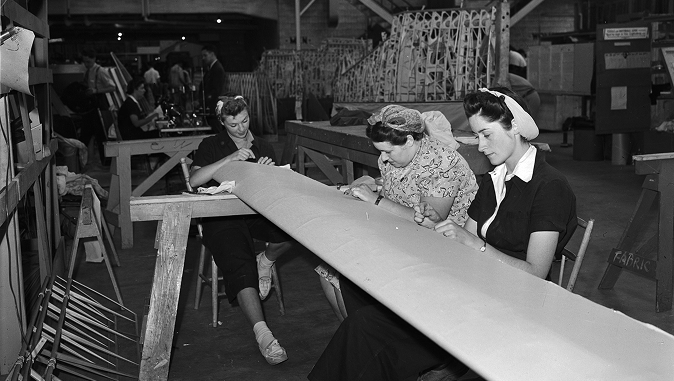
central air 1 central air 2 central air 3