Additional Information:
Early Royal Air Force Service
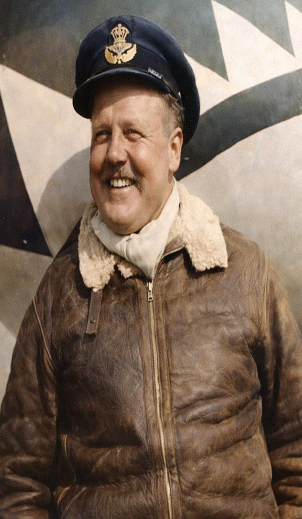
Robert R. Smith was born in London, Ontario, on 17 August 1915. He joined the Royal Air Force on a short service commission in May 1938.
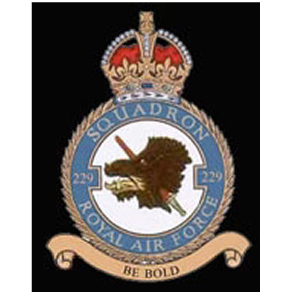
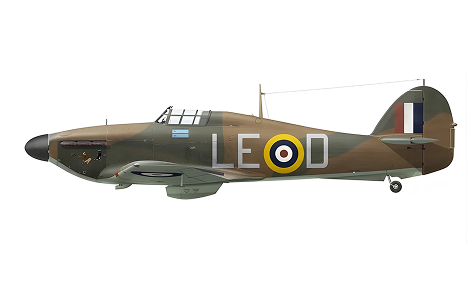
On 6 October 1939, he was posted to No. 229 Squadron at RAF Digby when the unit was re-formed as part of the expansion of Fighter Command prior to large-scale air operations in Europe.
Operations in France and Dunkirk, 1940
During the German invasion of France, Smith took part in operations over northern France and the Channel.
On 29 May 1940, during the evacuation at Dunkirk (Operation Dynamo), he probably destroyed a Messerschmitt Bf 109. On 1 June, he destroyed one Junkers Ju 87 and probably a second during combat operations.
These engagements took place during the intense air fighting that accompanied the evacuation of Allied forces from France.
Battle of Britain
During the Battle of Britain, Smith continued to serve with No. 229 Squadron.
On 11 September 1940, he claimed a Heinkel He 111 probably destroyed. On 15 September, he was shot down while attacking formations of Dornier Do 17 and Messerschmitt Bf 110 aircraft over Sevenoaks. He baled out of Hurricane V6616 with leg wounds.
During the same engagement, he damaged a Messerschmitt Bf 109.
Service in North Africa and Captivity
Smith later served in the Western Desert campaign in North Africa, flying Curtiss Kittyhawk aircraft with No. 112 Squadron.
During operations in this theatre, he was shot down and captured, becoming a prisoner of war.
Later Life and Legacy
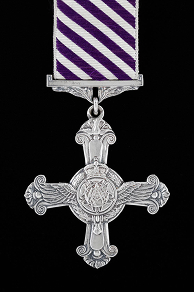
Smith survived the Second World War. He was awarded the Distinguished Flying Cross (DFC) in recognition of his operational service.
Flying Officer Robert R. Smith is remembered as one of the Canadian pilots who served with the Royal Air Force during the early years of the war, taking part in operations over France, the Battle of Britain, and later in North Africa.