Additional Information:
Early Life and Enlistment
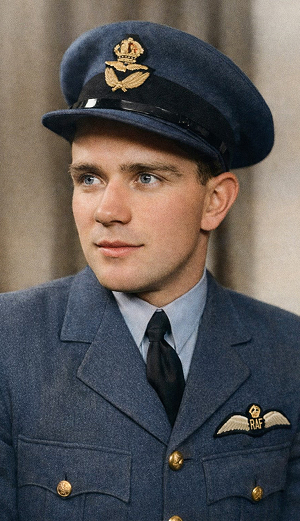
Hugh Reilley was born in London, Ontario, on 26 May 1918. After completing his schooling in 1938, he worked at the Highland Golf Club and the London Winery.
In May 1939, prior to the outbreak of the Second World War, he travelled to England with a friend to enlist in the Royal Air Force, joining a number of Canadians who sought to serve overseas.
Training and Commission
Reilley was granted a commission in the Royal Air Force Volunteer Reserve and completed his flying training in August 1940.
He then underwent conversion training to Supermarine Spitfires at No. 7 Operational Training Unit (OTU) at RAF Hawarden, preparing for operational service with Fighter Command during a critical stage of the air war.
Operational Service, 1940
Following his training, Reilley was posted to No. 64 Squadron at RAF Leconfield in early September 1940.
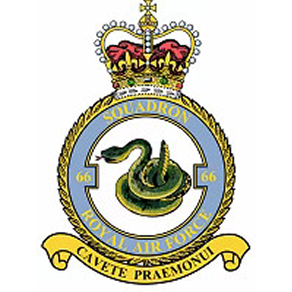
On 15 September, he was transferred to No. 66 Squadron at RAF Gravesend, joining the unit during the height of the Battle of Britain, when fighter squadrons were engaged daily in defending southern England against Luftwaffe attacks.
On 27 September 1940, he claimed a Messerschmitt Bf 109 destroyed, which was confirmed.
Final Mission - 17 October 1940
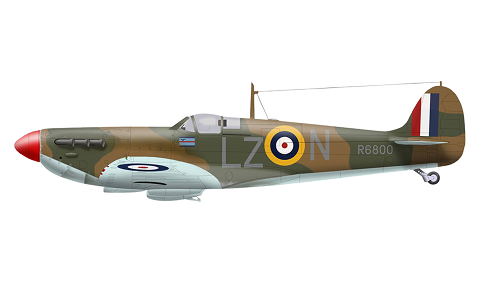
On 17 October 1940, Reilley was flying Supermarine Spitfire R6800 when he was shot down near Crockham Hill, Sevenoaks.
He was killed in the resulting crash during ongoing fighter operations over southern England.
Burial and Legacy
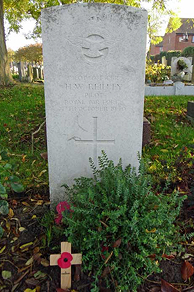
Pilot Officer Hugh Reilley is buried at Gravesend Cemetery, Kent, England.
He is remembered as one of the Canadian pilots who travelled overseas to serve with the Royal Air Force, contributing to the defence of Britain during a critical period of the Second World War.